Gum Care 101: The Prevention Habits That Protect More Than Your Smile
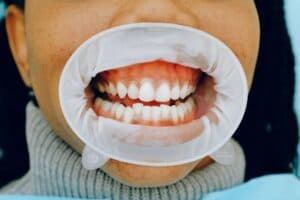
They may not be as visible from the outside, and they may not be emphasized in popular culture as much as teeth are, but your gums are worth paying attention to. Healthy gums are a crucial part of good oral health, as anyone who’s felt the pain of a receding gum line can tell you in excruciating detail.
Though September is National Gum Care Month, it’s wise to take good care of your gums year-round. Everyone – regardless of age, sex, ethnicity, or any other demographic factor – is at risk of periodontal disease if they don’t treat their gums well, and if you wait until the worst symptoms start to show up, you may be in for a world of pain.
Fortunately, with good oral hygiene habits and the help of your dentist, you can keep your gums in good condition for years to come, even if mild symptoms of periodontal disease have already started to creep in.
What Are the Signs of Gum Disease?
About 42% of adults over age 30 have experienced periodontitis, and catching it as early as possible means more opportunities to treat it before it develops into a serious problem.
It’s important to know the signs that periodontal disease may be taking hold. Some of the gum disease symptoms patients may notice are:
- Bleeding gums
- Swelling of the gum line
- Receding gums
- Bad breath
- Deep periodontal pockets
- Tooth sensitivity
- Tooth mobility
Problems Associated with Advanced Periodontal Disease
One of the biggest risks inherent in damaged or receding gums is bone loss, which is the body’s immune response to plaque biofilm – and that can eventually lead to tooth loss by destroying the tooth-supporting structures.
What Are the Risk Factors for Gum Disease?
Personal habits play a major role in development of periodontal disease, but even those who are studious about eschewing those bad habits may be at elevated risk due to other factors. Age, diet, and even genetics can affect the odds of gum disease – men are more likely to experience it than women, and the chances increase as you get older – and all are worth keeping in mind as you and your dentist evaluate your risk.
What Habits Can Hurt my Gums?
In addition to avoiding sugary foods and drinks, you should steer clear of smoking, vaping and other means of consuming tobacco products, which can damage and discolor gums. You should also exercise caution when brushing and flossing; brushing or flossing too hard, or using a toothbrush with rough bristles, can contribute to periodontal disease. Mouth piercings, particularly lip piercings, can also cause gum problems down the road.
How is Gum Health Connected to Overall Health?
The American Dental Association has associated periodontal disease with a number of other health conditions, though not all of them have causal relationships. These conditions include diabetes, respiratory disease, pregnancy complications and dementia.
Most prominently, cardiovascular disease is more common among those with gum disease, though there is likely not a direct connection, as both conditions are affected by external factors such as smoking. Studies have shown that there may be associations between periodontitis and conditions including rheumatoid arthritis and pancreatic cancer, though more study is needed before any sort of connection can be proven.
How is Gum Disease Treated?
There are surgical and non-surgical methods for treating periodontal disease. Which treatment is appropriate for a given patient will depend on a number of factors, including how advanced the disease is.
The most common non-surgical option is scaling and root planning, a deep dental treatment that removes tartar and bacteria built up around the roots of the teeth, sometimes accompanied by antibiotics. Patients who undergo this treatment may be scheduled for multiple sessions.
For more serious cases of periodontal disease, the dentist may recommend surgical intervention. Gum graft surgery – in which tissue is taken from elsewhere, usually the palate, to cover exposed roots – is still the most common procedure. Alternatives include pocket reduction and regenerative procedures, as well as the minimally invasive pinhole surgical technique.
What Can I Do to Keep my Gums Healthy?
If you’re already practicing good oral hygiene, you’re already doing a lot of the work necessary to make sure your gums are healthy and pristine. Some of the steps to periodontal disease prevention are unlikely to surprise you, but all of these healthy gums tips are important parts of day-to-day care.
- Brush twice daily, as your dentist will always recommend. Make sure you get your tongue, too, either with the toothbrush or with a tongue scraper.
- Floss daily. This step will catch food particles along the gum line that a toothbrush will miss.
- Use mouthwash to further prevent plaque and remove any remaining food particles that brushing and flossing didn’t catch.
- Eat a balanced diet with plenty of vitamin C, and without too many sugary foods or drinks, which feed harmful bacteria.
- Get an annual comprehensive periodontal evaluation (CPE), which will look at teeth and gums as well as bite, bone structure, plaque levels and other periodontal disease risk factors. This can be part of one of your biannual dentist office visits.
Set Yourself Up for Good Gum Health
Of course, if you’re noticing symptoms of gum disease, it’s a good idea to make a dentist appointment to get them checked out. But you don’t have to wait until you start noticing pain or bleeding to make sure your gums are in tip-top shape. The best way to prevent problems with your gums is to start now, whether that means cutting down on the sugary snacks, re-evaluating your brushing technique, or making sure a gum exam is part of your next routine cleaning.
Fall is a great time to catch up on preventive care before the busy holiday season hits. Schedule a cleaning and gum health check with Merion Village Dental today.